
led touch screen mirror
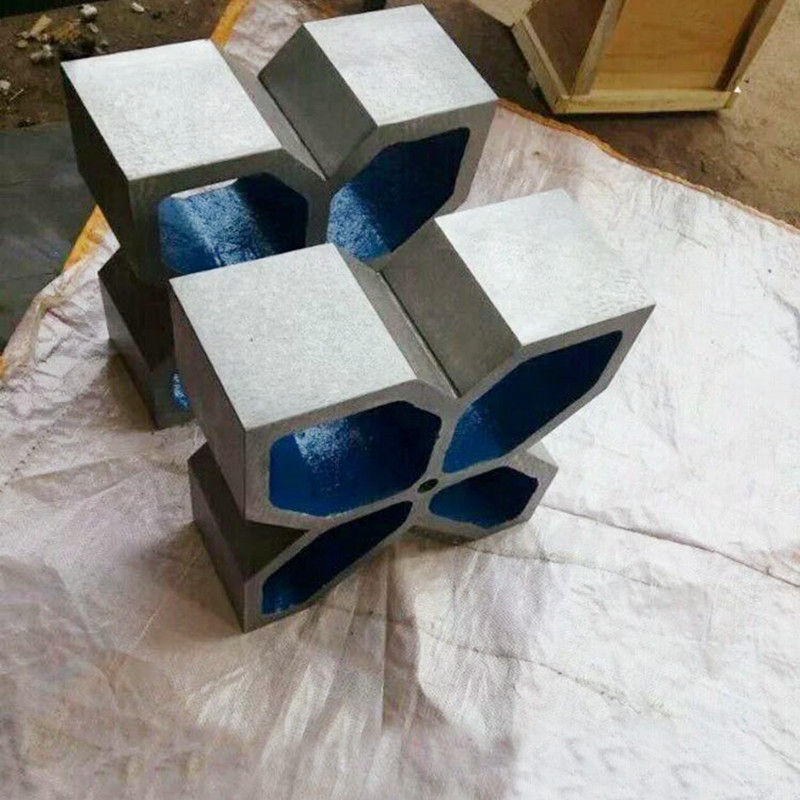
Understanding Leveling in Welding Tables Welding is a critical process in manufacturing and construction, combining various metal components to create a durable, functional structure. One fundamental aspect of successful welding is the use of a leveling welding table. This tool is essential for ensuring precision and accuracy during the welding process. In this article, we’ll explore the importance of leveling in welding tables, the benefits they provide, and the best practices for using them effectively. Importance of Leveling A welding table must be perfectly leveled to facilitate an accurate and efficient welding process. When the table is not level, the workpiece can shift or become distorted, leading to misalignments and poor weld quality. This misalignment can result in significant rework, wasted material, and increased labor costs, ultimately affecting project timelines and budgets. Therefore, a level welding table serves as the foundation for quality welding work. Benefits of a Leveling Welding Table 1. Improved Accuracy A level surface allows for better measurement and alignment of workpieces. When components are positioned correctly, the welder can focus on the quality of the weld rather than correcting positional errors. 2. Enhanced Safety An unlevel table can cause workpieces to slide or fall, increasing the risk of accidents during the welding process. A stable, level table minimizes this risk, ensuring a safer work environment. 3. Increased Efficiency Leveling a welding table at the start of a project can save considerable time and effort. Welders can work faster and with greater confidence when they are assured that their workspace is stable and reliable. 4. Consistency in Quality Regularly using a level welding table leads to consistent welding outcomes. This uniformity is crucial for industries where precision and repeatability are vital, such as automotive and aerospace manufacturing. leveling welding table Best Practices for Leveling a Welding Table To achieve optimal results with a leveling welding table, certain best practices should be observed 1. Regular Calibration Ensure the table remains level by checking its calibration periodically. Over time, vibrations and heavy use can cause the table to lose its levelness. 2. Use a Leveling Instrument Employing a high-quality level, preferably a digital one, can provide accurate readings and help in making necessary adjustments. 3. Adjustable Feet Many professional welding tables come with adjustable feet that can be modified to achieve levelness. Make sure these are regularly checked and adjusted as needed. 4. Surface Maintenance Keep the table surface clean and free from debris. A cluttered surface can obstruct the leveling process and affect the accuracy of measurements and welds. 5. Training Ensure that all operators are trained in how to check and adjust the leveling of the table as part of their standard operating procedures. Conclusion A leveling welding table is a vital tool that directly influences the quality and efficiency of welding operations. By investing time and resources in maintaining a level workspace, welders can enhance their productivity, improve safety, and achieve higher-quality welds consistently. As the welding industry continues to evolve, ensuring that fundamental tools such as leveling tables are well-maintained will remain crucial for successful project outcomes.
about
led touch screen mirror
Verktøy for nivåmåling En nøkkel til presisjon og effektivitet I en tid hvor teknologi utvikler seg raskt, er det avgjørende for industrien å ha presise og pålitelige nivåmålingsteknologier. Nivåmåling er en kritisk prosess i mange bransjer, inkludert vannbehandling, olje og gass, matvareproduksjon og bygning. Med et bredt spekter av tilgjengelige nivåmålingverktøy, er det viktig å forstå hvilke alternativer som finnes, og hvordan disse kan implementeres for å oppnå optimal ytelse. Nivåmåling refererer til prosessen med å bestemme mengden av en væske eller et fast stoff i en tank eller beholder. Det finnes flere metoder for nivåmåling, inkludert hydrostatisk måling, ultralyd, radar og kontaktløse målinger. Hver metode har sine fordeler og ulemper, og valget av verktøy avhenger av applikasjonen, typen medie og miljøforholdene. Verktøy for nivåmåling En nøkkel til presisjon og effektivitet Ultralydnivåmålere bruker lydbølger for å måle avstanden fra sensoren til overflaten av væsken. De er ikke-invasive, og de gir nøyaktige målinger over tid, men de kan være påvirket av damp eller skum på væskeoverflaten, samt avstøtningen av lydbølgene fra svært turbulente overflater. level measurement tool Radar nivåmåling har blitt stadig mer populær på grunn av dens evne til å fungere under flere forhold uten å være påvirket av damp, støv eller temperaturvariabler. Radar bruker elektromagnetiske bølger for å måle avstanden fra sensoren til væskeoverflaten og gir høy nøyaktighet selv på lange avstander. For kontaktløse nivåmålere er det vanlig å bruke laser eller optiske former for måling. Disse verktøyene gir enestående nøyaktighet og er ideelle for situasjoner der det er viktig å unngå forurensning eller kontakt med mediet som måles. De har imidlertid en høyere kostnad og kan kreve mer kompleks installasjon og kalibrering. Valget av nivåmåling verktøy avhenger også av spesifikasjonene til prosjektet. For eksempel, i mat- og drikkevareindustrien, er det avgjørende å ha måleinstrumenter som er hygieniske og enkle å rengjøre. I olje- og gassindustrien må sensorer være motstandsdyktige mot ekstreme trykk og temperaturer. Implementeringen av et passende nivåmålesystem kan føre til betydelige forbedringer i operasjonell effektivitet. Nøyaktig nivåmåling bidrar til bedre lagerstyring, reduserer risikoen for overfylling og spillet av kostbare ressurser, og bidrar til sikkerheten i anlegget. Avslutningsvis, med et mangfold av nivåmålingverktøy tilgjengelig, er det viktig for bedrifter å nøye evaluere deres spesifikke behov for å velge riktig teknologi. Med riktig nivåmåling kan man oppnå høyere presisjon, effektivitet og sikkerhet i driften, noe som til slutt leder til økt produktivitet og lønnsomhet. I en verden hvor presisjon er nøkkelen, er investering i de rette nivåmålingsteknologiene avgjørende for å forbli konkurransedyktig.
-

High quality industrial productsagement

High quality industrial products
View Details -

Meet the diverse needs of customers

Meet the diverse needs of customers
View Details -

Strict quality control

Strict quality control
View Details -

Top raw materials

Top raw materials
View Details -

Trusted supplier

Trusted supplier
View Details
Our application


news and information
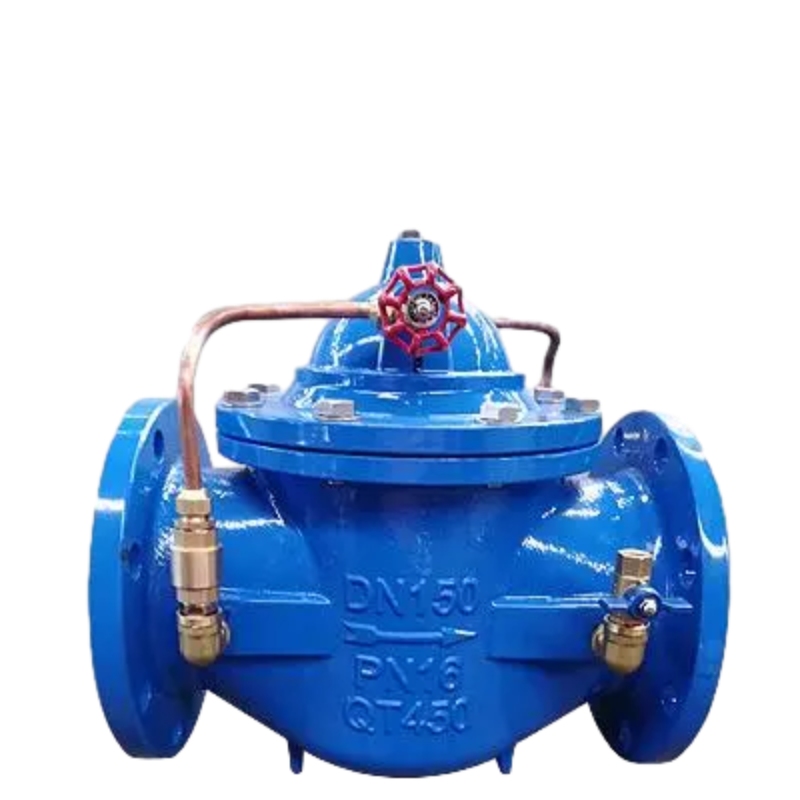
Various Types of Control Valves and Their Practical Applications in Industry
Control Valve Types and Applications Control valves are critical components in various industrial pr

Y filtre en fonte
Le Strainer Y en Fonte Un Équipement Indispensable pour l’Industrie Dans le domaine de l’industrie,

Y Type Strainer Valve for Efficient Fluid Filtration and Flow Control Solutions
Understanding Y-Type Strainer Valves A Comprehensive Overview In the realm of fluid mechanics and pi
 English